

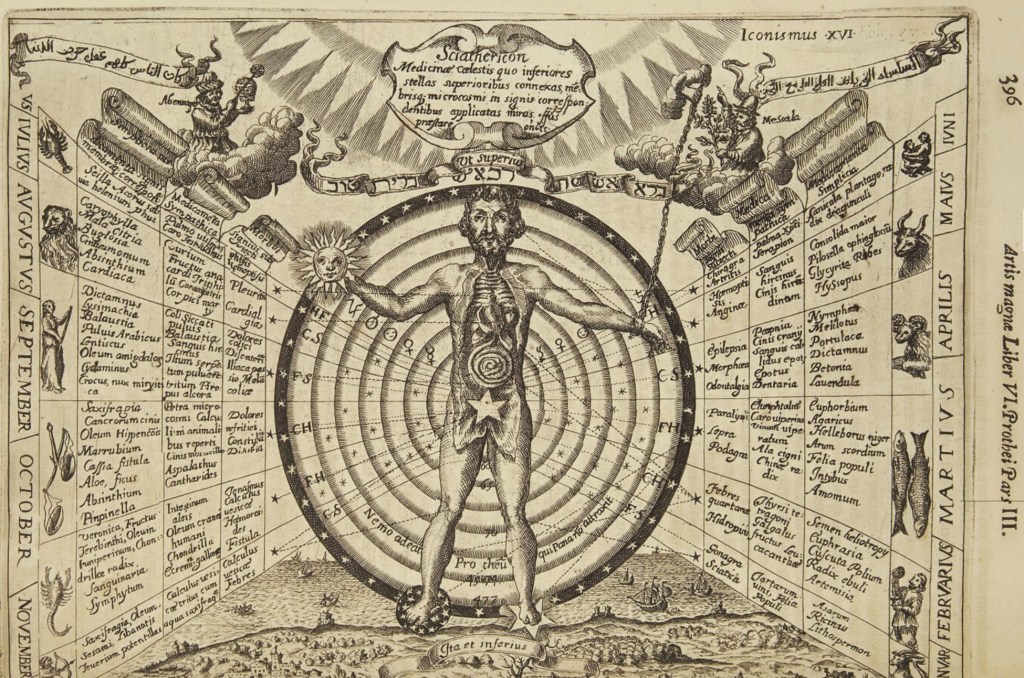
In a distant land, where the mountains kissed the heavens and the rivers whispered secrets of the earth, there lived an ancient artisan known as the Weaver. This Weaver was not like others, for he did not spin mere cloth or thread. Instead, he wove the very fabric of existence itself—threads of light and shadow, of joy and sorrow, of hope and despair. His loom was the sky, and his spindle the stars.
The Weaver’s craft was unparalleled, for he understood the delicate balance that must be maintained in all things. Too much light, and the world would be blinded by its own brilliance; too much shadow, and it would be consumed by darkness. Thus, he wove carefully, each thread placed with intent and purpose, creating a tapestry that held the world together.
But one day, a young prince, full of ambition and pride, sought out the Weaver. He had heard tales of the Weaver’s power and desired to command the loom for himself. “Weaver,” said the prince, “grant me the knowledge of your craft, so that I may weave my own destiny, free from the bonds of fate.”
The Weaver, wise and knowing, looked upon the prince with both sorrow and understanding. “My child,” he said, “the threads of life are not to be wielded with arrogance. To weave is to understand the weight of each choice, the consequences of each action. Are you prepared to bear such a burden?”
The prince, blind to the warning, insisted. “I am prepared for anything. Teach me your ways, and I shall create a world in my image, a world of light, free from darkness.”
Seeing the prince’s determination, the Weaver sighed and granted his request. For 12 weeks, the Weaver patiently instructed the prince, teaching him the secrets of the loom, the intricacies of the threads, and the delicate balance that must be maintained. As the weeks passed, the prince began to grasp the profound wisdom woven into every strand of fabric. Finally, at the end of the 12th week, the Weaver stepped aside, allowing the prince to take his place.
Eagerly, the prince began to weave, pulling strands of light with fervor, filling the sky with radiant brilliance. But in his haste and pride, he neglected the shadows, casting them aside as unworthy. The world he created was indeed one of light, but it was harsh and unyielding, with oppressive heat bearing down relentlessly, as if the very air had become a burden. The people, blinded by the relentless glow, began to suffer, for there was no shade to rest, no night to dream.
Realizing his grave mistake, the prince sought to undo his work, but the radiant threads were stubborn, refusing to be unraveled. In despair, he turned to the Weaver for help. The Weaver, with a gentle hand, took back the loom and began to weave once more, adding threads of shadow to the prince’s creation, restoring the harmony that had been lost.
As the prince watched, he finally understood. The light could not exist without the shadow, nor the shadow without the light. Each thread had its place, its purpose, and only together could they create a world that was whole.
The prince, humbled by his folly, vowed never to forget the lesson he had learned. When he came to rule, he governed with wisdom and justice, as one who understood the value of balance in all things. And the Weaver continued his work, silently and skillfully, weaving the tapestry of existence, one thread at a time.
Moral of the Fable
The fable teaches that in all aspects of life, balance is essential. The pursuit of light without acknowledging the necessity of shadow leads to a world that is incomplete and unkind. True wisdom lies in embracing the duality of existence and recognizing that every choice carries with it a responsibility to maintain harmony.
Discover more from Northcoast Antiquarian
Subscribe to get the latest posts sent to your email.

 Northcoast Antiquarian