

One of the various activities that I have engaged in as a newly retired individual has been participation in the various online educational seminars offered by the American Numismatic Association (ANA) and the American Numismatic Society (ANS). To this end, I signed up for a four session program offered by the ANS entitled “ANS Lyceum: Basics of Photography.” Happily, my macro photography skills are slowly improving.
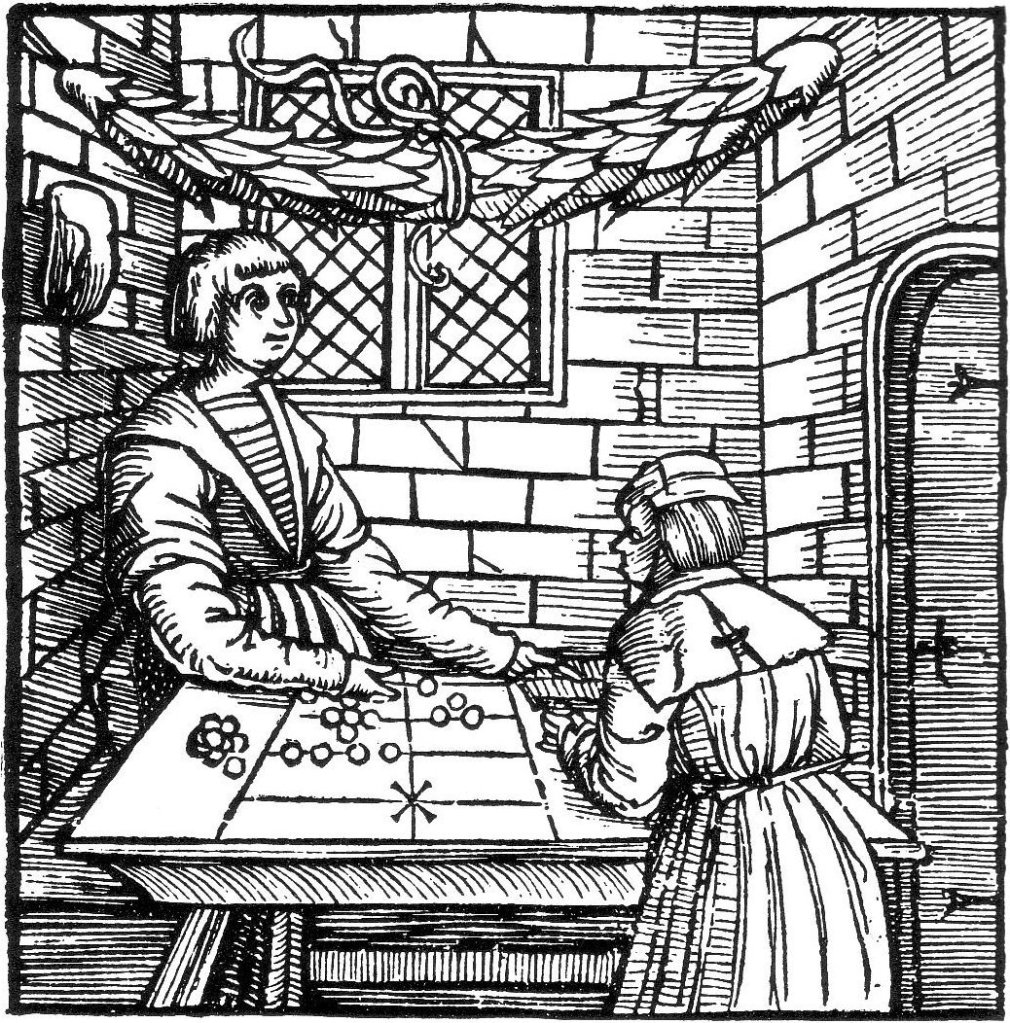
One of the pieces that I recently photographed was an eighteenth century French jeton from Lyon catalogued as Feuardent-10682 by Felix Feuardent in his magnus opus, Jetons et méreaux depuis Louis IX jusqu’à la fin du Consulat de Bonaparte (Paris 1907). A French jeton, also known as a reckoning counter, was originally used in the medieval era as an aid in performing calculations by merchants and royal officials who placed the counters on a checkered board or reckoning table to represent amounts or tallies in complex calculations. The word jeton comes from the French verb jeter, to cast. The specimen I have photographed has an obverse which features the heraldic arms of Lyons. Lyon, of course, may be translated as lion, so it is no surprise the centerpiece of the arms is a lion rampant. The shield itself is augmented by a heraldic chief, the division occupying the upper third. This is the “Head of France,” which shows the heraldry of the former monarchs of France: of azure laden with three golden fleurs-de-lys (a blue background adorned with three yellow lily flowers).

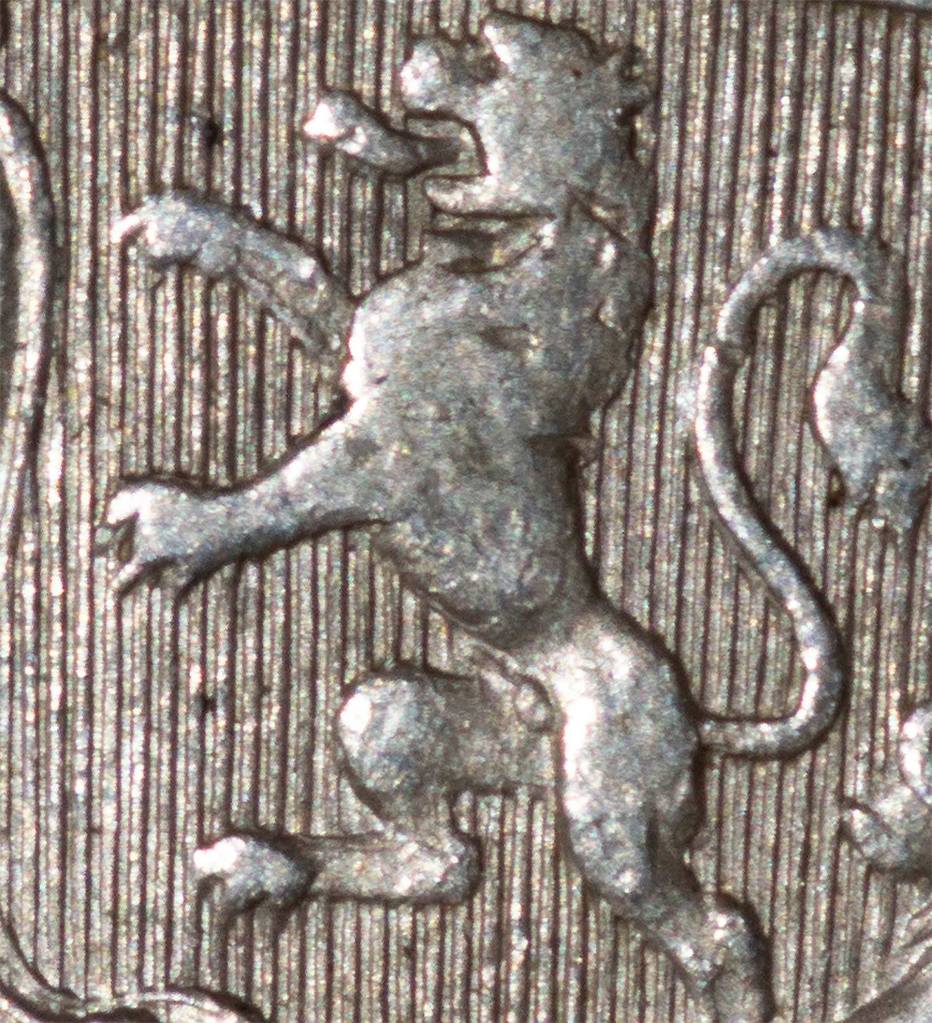
The reverse features the inscriptions VIRIS. CONSULARIBUS in circular caption while in the featuring in the field the words PATRIA. MEMOR in an oak crown, with the date 1756 in Roman numerals below. The blazon proper of Lyon consists of a field of gules (red color), in which a lion appears rampant (of profile and erect) and silver (white color).

What photographing the jeton allowed me to see, that I had never noticed before, was the anatomical glory of the lion which the engraver had labored to ensure was embedded in the die for the piece. This was somewhat of a surprise as very few of the heraldic renderings of the arms of Lyon that I was able to trace, from the granting of the shield in 1320, through the issuance of this jeton, seemed to insist upon such graphic accuracy (though most allude to the appendage). Perhaps it is the Rococo transitioning to neoclassical in metallic glory.

 Northcoast Antiquarian