

By Donald S. Yarab
What is the most mundane thing we can contemplate as we begin our day?
If we can find wonder in that—and I am certain that we can—then we may find both purpose and beauty in the entirety of the day.
So, as I rise, I may peer out the bedroom window. The sun may be shining, or the rain falling softly, greying the morning light. Either is wondrous. Or perhaps I catch sight of the automobiles scurrying along the street. What a marvel—internal combustion engines and electric motors, their complexity tucked beneath the quiet hum of daily ritual. When my grandfather was born, such machines were not part of his everyday world.
I may repair to the bathroom and avail myself of indoor plumbing—another miracle. I recall that my other grandfather, raised on a farm in his teenage years, spent that portion of his youth relying on an outhouse, as well as drawing water from a pump. What comfort we possess without second thought.
In the kitchen, I open the refrigerator. Its quiet, steady hum speaks of a world preserved—meats, fruit, leftovers—all waiting in climate-controlled stillness. My grandmothers told me of the icebox, and the blocks of ice melting slowly with the day. What we now take for granted once required vigilance and care.
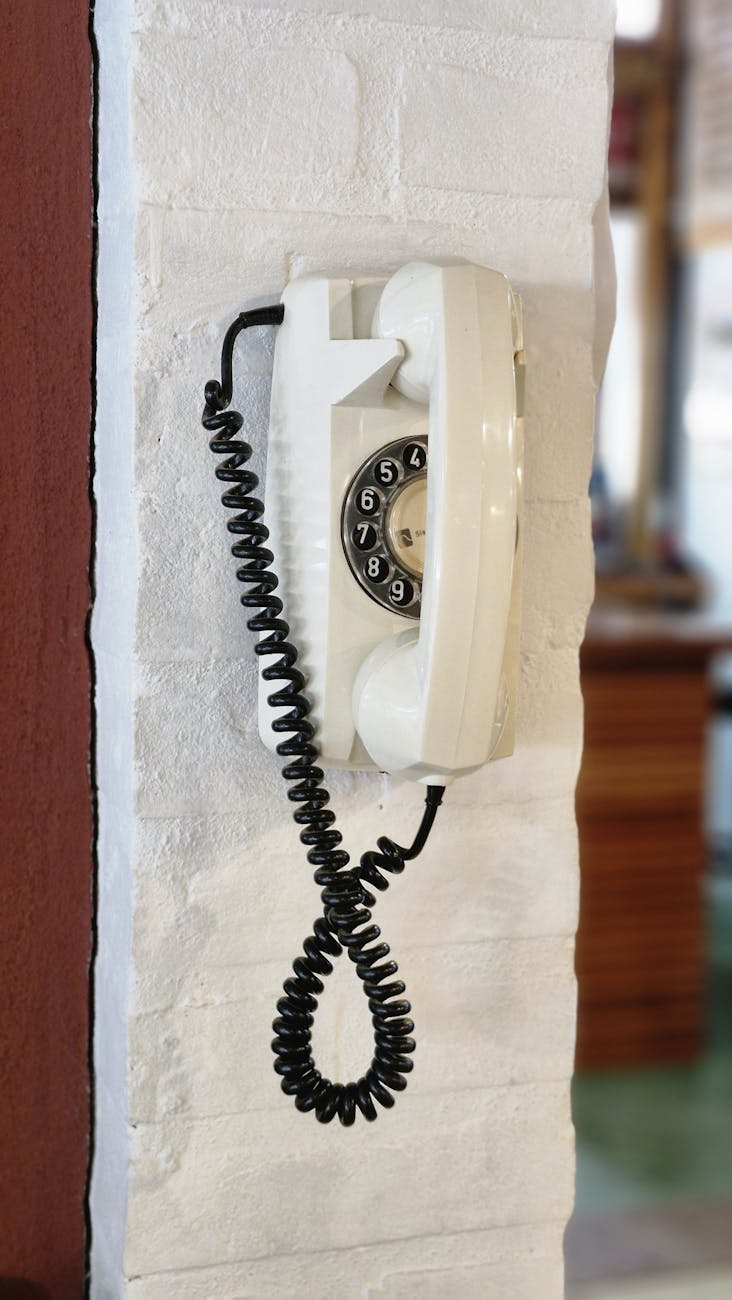
I may glance at the telephone—though now it is not on the wall, but in my pocket, answering to no cord. And yet I remember the telephone of my earliest childhood: one line, fixed to the wall, with a coiled cord and no screen. No call waiting. No voicemail. Only the ring, the voice, the taking turns. We managed. We even cherished it.
And when we sought knowledge, we turned to the bookshelf. A full set of encyclopedias, already well out of date, stood like solemn guardians of learning. We flipped through pages, cross-referenced entries, sometimes found what we sought. And if not—we went to the library. The card catalog was our compass, the stacks our pilgrimage. The answers came more slowly, but the seeking deepened our understanding.
I remember it all: a single television with three channels that went dark each night, a record player, a radio that belonged to my father and was not to be touched. I wore hand-me-down clothes from older cousins on the first day of school, and my mother sewed my pants with love and care. And we felt rich.
And now? A world of convenience surrounds us—lights, warmth, water, knowledge, sound, connection—available in an instant. But it is easy to forget that each of these was once impossible, then improbable, then a luxury.
Today, some cry out in anger for a past that never truly existed. They long for a myth, not a memory. But I find more strength, and far more truth, in simply being present—and being grateful.
To begin the day in wonder is to begin it rightly. For wonder is not the fruit of novelty, but of attention. It is not found in having more, but in seeing more deeply.
To begin in wonder is to begin in gratitude. And to begin in gratitude is to begin in truth.

 Northcoast Antiquarian