

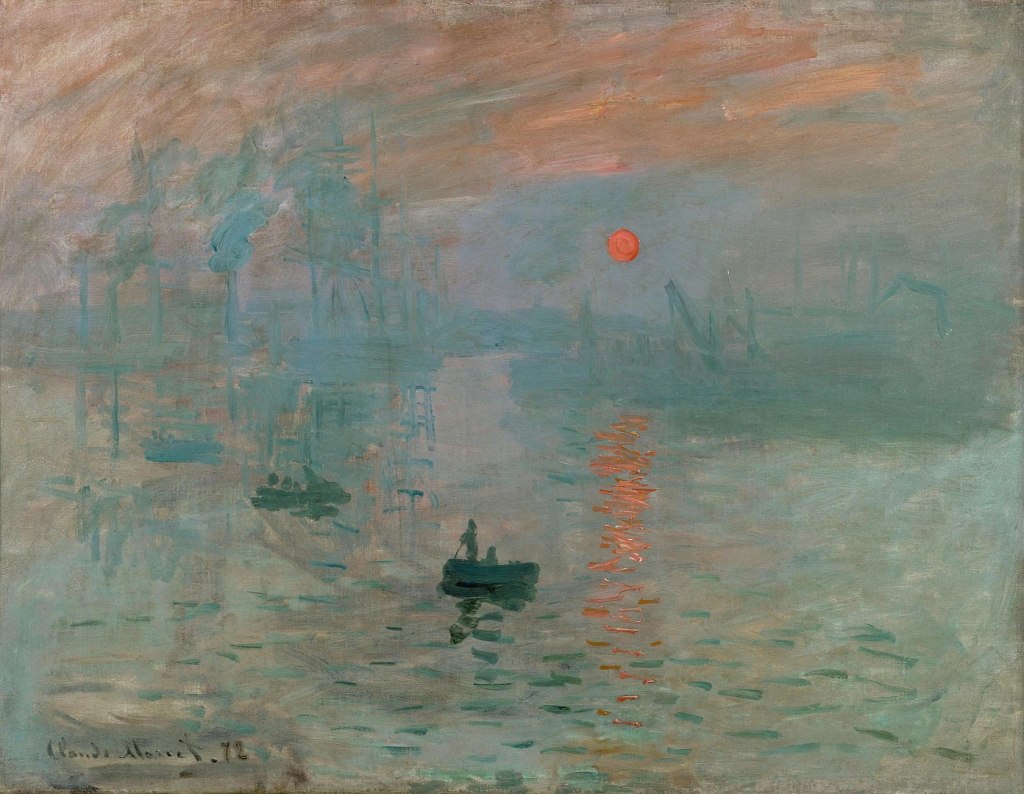
Language is beautiful. Every language, I imagine, holds within it a unique splendor, a symphony of sounds and meanings that resonate with the human experience. It is a medium of endless subtlety and flexibility, capable of expressing the most nuanced thoughts and the deepest emotions. A single word or phrase can carry extraordinary weight, encapsulating the full spectrum of human expression, from the profound to the mundane.
Language is a vessel for wisdom, humor, and frivolity alike. With just a few well-chosen words, one can impart lessons that echo through time, evoke laughter that lightens the heart, or create moments of joy that linger in the memory. It is delicate, yet strong—able to convey the lightest touch of affection or the heaviest burden of sorrow.
Yet, the true power of language lies in the words themselves. Words are the building blocks of language, each one a gem with its own distinct hue, tone, and resonance. While some may not give much thought to their choice of words, and are indifferent or careless in their selection, I hold that choosing the right word is an art of the utmost consequence. Every word carries its own timbre, a unique vibration that justifies its existence in a sentence, distinguishing it from others that may seem similar on the surface but convey subtly different meanings.
To me, words are not mere vessels of communication, but carefully chosen notes in the symphony of expression. The nuances between synonyms are not trivial; they are the very essence of precision in language. It is this precision that breathes life into writing, allowing it to resonate with readers in the way that only the perfect word can. In the delicate interplay of vocabulary, each word plays its part, contributing to a harmony that is richer and more meaningful than the sum of its parts. This meticulous selection is not just a preference but a necessity for the craft, as it ensures that the language not only conveys a message but does so with the exact emotion, clarity, and impact intended.
My particular fondness lies with the written word, for I find that I am no longer the extemporaneous orator I once was, no longer as quick in constructing or articulating speech. Above all, I aspire to become more artful in the crafting and presentation of my writing, so that it may be more pleasing both when read and recited. In this pursuit, I seek to imbue each phrase with the perfect blend of sound and meaning, creating a text that is not only clear but also resonant—a true expression of the beauty that language, at its best, can achieve. To be sure, I shall often falter in this endeavor, particularly after having written daily primarily as an attorney for over thirty years, but it is my earnest hope that, with continued practice, the failures will diminish and the successes will grow more frequent.
Discover more from Northcoast Antiquarian
Subscribe to get the latest posts sent to your email.

 Northcoast Antiquarian