In recent years, I had occasion to read Derek Beales’ biographies of Holy Roman Emperor Joseph II. The first volume, Joseph II: In the shadow of Maria Theresa 1741-1780, covers the period when Joseph’s mother, the Empress-Queen Maria Theresa was still alive. The volume included a compelling account of Maria Theresa’s grief when her husband, the Emperor Francis I, suddenly died in 1765, when she was 48 years old. Beales accomplished much in conveying Maria Theresa’s emotional and spiritual state by simply sharing some of her own words, from her personal correspondence, in which she described her overwhelming sense of loss:
“I do not know myself anymore, for I live like the animals, without spirit and reason. I forget everything. I get up at five, go to bed late, and do nothing all day. My situation is cruel.” “The sun itself seems black to me.” “What remains to me and what I await with impatience is my bier … which will reunite me with the only person whom my heart has acknowledged in this world, and who was the aim and object of all my actions and all my love. Imagine the void I feel ….” “I have not thought of finding solace in any other way than by plunging myself more deeply than ever into work, wishing to numb myself and leaving myself no time to contemplate or feel my condition.” Beale (1987), pp. 139-140.
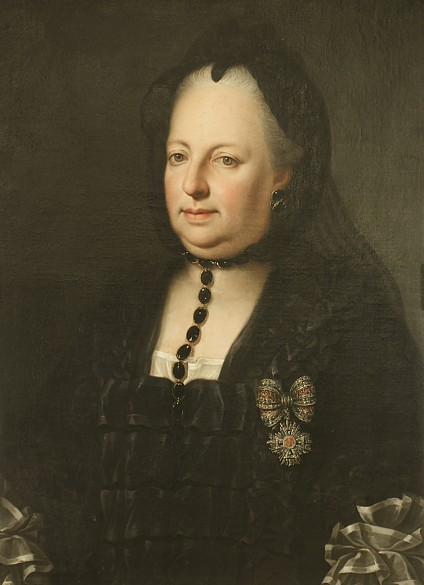
Francis’ death had a profound impact on Maria Theresa. After his death, she thereafter cut her hair short and appeared only in “widow’s weeds” (i.e., black mourning garments and veil). She renounced worldly pleasures and pomp as not becoming of a grieving widow and sought, above all, to preserve her husband’s memory. After her death, a paper was found in her prayer book on which she had calculated the exact length of her marriage: 29 years, 6 months, 6 days; that makes 29 years, 335 months, 1540 weeks, 10,781 days, 258,744 hours’. See: https://www.habsburger.net/en/chapter/maria-theresas-final-years-widowhood-and-death.
All the above, of course, was quite moving and inspired me to create the following sonnet.
WIDOW’S LAMENT OF THE EMPRESS-QUEEN MARIA THERESA
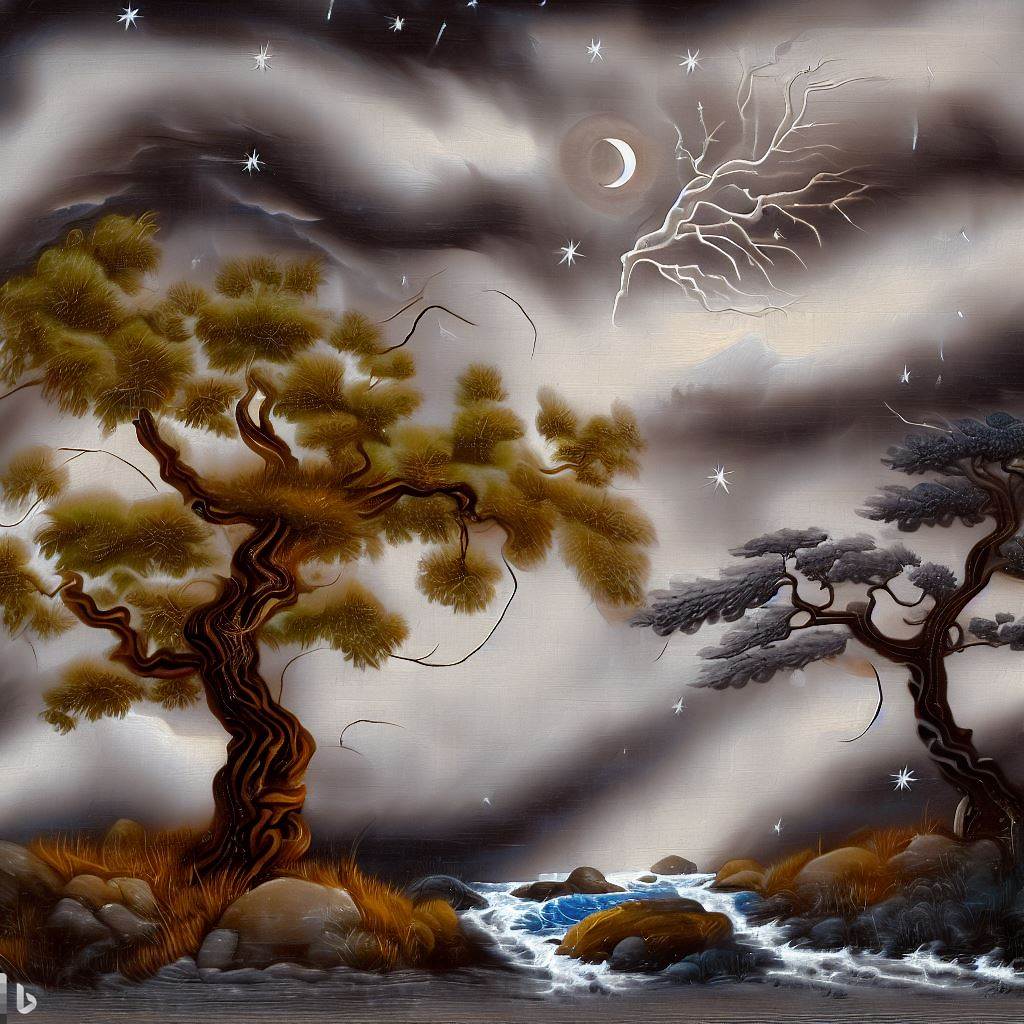
The sun, once bright, now veiled in somber black, The stars, extinguished, forsake their shining light, I wander through this never-ending night, In search of solace that I forever lack.
Within, a void remains since your farewell, No more your smile, your voice that warmed my core, No longer does your love and warmth restore, I’m left yearning, my being an empty shell.
Impatience grows, my heart craves the bier, A longing to escape this realm of woe, To find release, to rest forevermore, And bid farewell to all I hold below.
I find no solace but in toil and strain, And close my soul so pain no longer reigns.








 Northcoast Antiquarian