

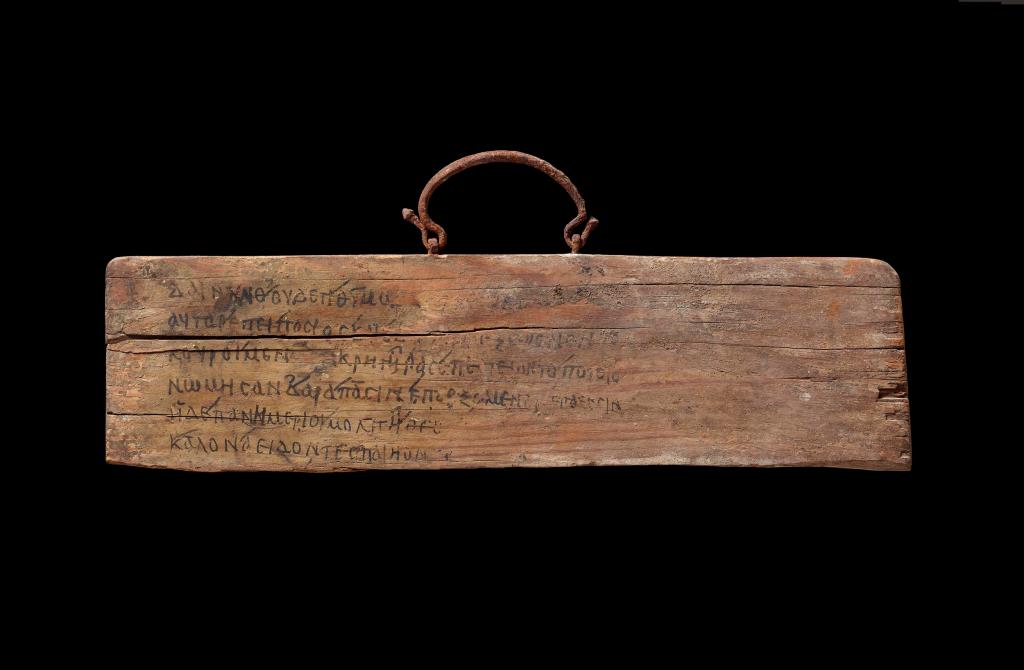
The lament that follows was born of an essay I penned after re-reading The Iliad through the figure of Thersites: truth-speaker, scapegoat, silenced. Where the essay names the mechanisms—divine deceit, aristocratic coercion, popular complicity—the mythic poem strives to give breath to that silenced voice through Antipseudes of Elis, a fictive low-born warrior who speaks from within the wound of the epic itself. Against the degradations of later tradition—most starkly in Quintus Smyrnaeus’ Posthomerica, where Thersites is struck down in rage by his companion-in-arms Achilles, not in duel nor battle but unjustly, unarmed, unready, and unaware, and then buried in the earth rather than burned upon a pyre, in defiance of Achaean custom—the lament restores what Homer only intimates: that the truth-speaker saw clearly, and that to remember him, and the vision he bore, is the conscience of witness. Thersites’ voice, mocked in antiquity, is recognized belatedly by thinkers such as Hegel and Nietzsche.
The Lament of Antipseudes of Elis
After the Fall of Troy of the High Walls
“What glory is this, that tastes of ash and allotted fate?”
I. The Weight of Victory
Ten winters I carried this spear,
ten summers I dreamed of home—
the olive grove behind my father’s house,
the way morning light fell
across my wife’s sleeping face.
Now Troy burns behind us,
her towers cracked
like broken teeth,
and the wind carries the smell
of what the immortals and kings call victory:
blood and smoke,
the stench of the fallen.
They say we have victory.
They say our names will echo
through the halls of distant kings,
that singers will sing of this day
when the world was young.
But we—nameless before kings and heroes,
we who bore the spears,
we who remember our companions—
we think of Phegaios,
who fell at the Scaean Gate,
beneath the shadow
of the consecrated beech,
his shield-arm shattered,
calling for his mother
as the light left his eyes.
What song will remember
that he loved to carve small birds from olive wood,
that he wept the night before battle—
not from fear, but from beauty;
the way starlight fell
on the wine-dark sea,
too lovely for a world
that would end him tomorrow?
II. The Kings’ Glory
Agamemnon stands proud
upon the battlements,
his bronze breastplate catching
the flame-light of the city.
He speaks of destiny,
of honor served,
of the gods’ will made manifest
in spear-point and sword-edge.
But what did Helen know
of our ten years’ dying?
What did she dream
in Priam’s halls
while we bled the earth black
beneath Troy’s walls?
Was her face worth
Patroklos, torn and broken?
Worth Hector’s son,
dashed against the stones?
Worth the thousand
nameless sons
who will never see
their fathers’ fields again?
The kings divide the spoils—
gold and bronze,
slaves and chariots,
of a broken world.
But they cannot divide
the weight that settles
in a warrior’s chest
when men no longer fall,
and the silence gapes
like a wound
across the blood-soaked plain.
III. What the Dead Know
In the grey hour before dawn
we walked among the pyres
where our companions burned.
Their smoke rose straight
into the windless sky,
and we thought: here is truth—
not in the golden masks of heroes,
not in the songs
that will outlive our bones,
but in this.
Not only kings waged war at Troy,
nor only the heroes
whose names the singers will praise.
These also bore the spear,
or fell in dust:
Phegaios of the beech,
who fell at the Scaean Gate
beneath the sacred tree, calling for his mother
as the bronze pierced his side.
Echelaos of Argos, new to war,
who upheld the host
but died clutching a lock of hair
cut from his sister’s head—
a pledge never delivered.
Lēthios the forgetful,
the goatherd’s son, barely bearded,
who drowned in his own blood
until Thersites drew him forth,
yet lived to forget
the hand that saved him.
And I—Antipseudes of Elis,
opposer of lies—
who live to speak the lament
of the nameless many.
What do the dead know
that we, the living, have forgotten?
What wisdom lies
in their silence?
Perhaps this:
that glory is a word
spoken by those who were not there
when the bronze bit deep,
when the earth drank its fill of young blood,
when the horses screamed
and would not be comforted.
Perhaps this:
that a man’s worth is not measured
in the length of his shadow
cast by the pyre-flames,
but in the small kindnesses—
the water shared,
the wound bound,
the hand held
in the dark hour
before the last battle
where men meet their fate.
IV. The Voice We Silenced
I remember Thersites.
Not his name—no one
speaks his name now,
though once it rang across the ranks
like bronze on bronze,
clear and true and terrible.
He was ugly, yes—
twisted-legged, sharp-voiced,
the kind of man whom kings saw not,
though he stood before them.
But when he spoke
that day in the ninth year,
when Agamemnon deceived us,
pretending to release us
only to test our hearts—
Thersites alone,
voice of the low-born,
truth-speaker,
spoke what we all knew:
What share have we
in Atreus’ son’s portion?
Why must our bones
bleach white on the Scamandrian plain,
while he grows fat
on Trojan plunder?
The words hung
like loosed arrows
trembling in the morning air.
For one bright moment
we saw ourselves clearly:
not heroes,
not bearers of glory,
but flesh offered up
to feed another’s pride.
Then Odysseus rose—
Odysseus the much-turning,
whose counsels coiled like serpents in the dust,
whose tongue bore honey and venom both—
and did not quarrel.
He beat him.
Beat him bloody
with the royal scepter
while we—gods forgive us—
we laughed.
We laughed,
but the gods had blinded us.
We cast his voice into dust,
and cheered the silencing
of the truth-speaker,
as fate compelled.
Had we listened,
had we sailed that day—
Hector would breathe still,
Achilles would grow old
in Phthia’s fields,
Priam’s grandson
would chase shadows
through Troy’s unfallen towers.
But we chose laughter.
We chose the war.
We chose to die
rather than hear
what the ugly man dared to say:
that we were fools,
that we were cattle,
that our lives meant less to our kings
than the bronze in their coffers.
But listen—Thersites died
not as the coward Odysseus made him seem,
not cowering in his tent
or fleeing from the fray.
He died on the day Patroklos fell,
that day of ruin
when the Greeks were driven back to the ships,
when bronze points flashed like lightning
and the sand drank rivers of blood.
The field was chaos and screaming—
chariots overturned, horses mad with terror,
shields splintered, spears shivered,
and men cried out
for mothers no longer living.
In that storm of ruin,
young Lēthios—barely bearded,
homesick for his goats—
took a spear through the lung
and lay drowning in his blood.
No king was watching.
No god took note.
The hour was desperate,
the deed unheroic:
Thersites crawling through the bodies,
hauling the boy
across the bloody sand
while the clash of bronze roared about him.
The boy lived.
Lives still, perhaps,
somewhere in Argos,
telling his young sons and daughters
stories of the war,
never speaking the name
of the man who dragged him
from the edge of death.
And Thersites?
A Trojan blade found his heart
as he shielded the boy’s retreat.
He made no sound—
no cry for help,
no call to glory,
no final words
for singers to polish
into verses of bronze.
He simply fell,
face-down in the bloody sand,
his truth-telling mouth
stopped with earth.
We burned him
on a common pyre
with a dozen others—
companions-in-arms
whose names the smoke carried skyward
and scattered on the wind,
whose deeds no singer
will praise before kings.
But we remember:
the man who spoke against the war
died saving a life,
not for glory,
not for honor,
not for the gold of distant kingdoms,
but because a boy was drowning in his blood
and someone had to act.
What share have we
in Atreus’ son’s portion?
The question follows us
like a shade,
unanswered still,
though half our number—
Thersites among them—
perished on the soil of Ilium
some mourned, some forgotten,
some remembered only by the wind.
V. The Long Road Home
Tomorrow we sail
for the wine-dark waters of home.
Some speak of wives and children
waiting at the harbor,
of olive groves heavy with fruit,
of wine that tastes of peace.
But we have seen too much
to believe in simple homecomings.
The men who left for Troy ten years past
lie buried somewhere
beneath the walls we have torn down,
buried with the voice of Thersites,
buried with the truth
we cast into dust.
What strangers wear their faces now?
What shades return
to sit at ancestral tables,
to hold the hands we knew,
to feign that time and blood
and the weight of blood
have not cut deep furrows
in their hearts?
The ships wait,
black-hulled against the morning light.
The oars are ready,
the sails hang slack
as old skin.
But before we go,
let me speak this truth
into the ashes
of the fallen city:
We came for glory.
We found only
that men die
as simply as leaves
fall in autumn—
and that we ourselves
chose to silence
the one voice
that might have stopped the falling.
We came as heroes.
We leave as vessels of sorrow—
too burdened for song,
too grievous for memory.
What is victory
but the bitter wine
pressed from the grapes
of other men’s grief?
What is honor
but a name
we press upon our wounds
to make them
bearable?
And what are we—
who cheered the beating of the truth-speaker,
who chose war,
who laughed
as wisdom bled into the dust?
Epilogue: The Warrior’s Prayer
Hear me, immortals,
who sent us forth
to toil in war,
who moved our hands
to this dark work—
grant us this:
Not that our names
be remembered
in bronze and stone,
not that singers
will sing our deeds
to unborn kings—
But that when we pass
to Hades’ shadowed halls,
where our fathers dwell,
the dead will forgive us
the price we laid
upon their dying.
Grant that the shadows
of Troy’s children
will not follow us
across the wine-dark sea.
Grant that the blood we spilled here
will not cry out
from every field we pass.
And if you must remember us,
remember this:
that we learned too late
the weight of bronze,
the true cost of kingdoms,
the sacrifice of war.
The ships call.
The wind rises.
Troy burns behind us
like a star
falling into the dark.
We are going home.
We are going home
changed.

 Northcoast Antiquarian