

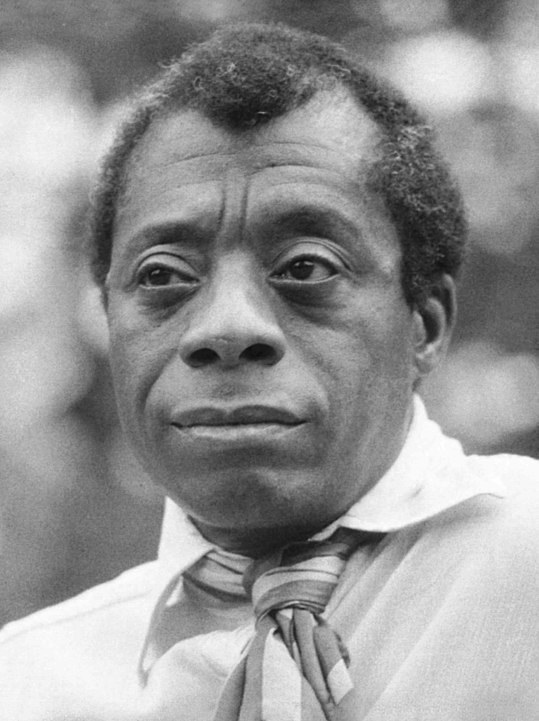
One of the books I am currently reading is James Baldwin: The Cross of Redemption (Uncollected Writings), edited with an introduction by Randall Kenan and published in 2010. One of the essays in the collection, dated 1984 but still strikingly relevant, is “On Being White … and Other Lies.” A particular passage from that essay stood out to me:
“Just so does the white community, as a means of keeping itself white, elect, as they imagine, their political (!) representatives. No nation in the world, including England, is represented by so stunning a pantheon of the relentlessly mediocre. I will not name names—I will leave that to you.
But this cowardice, this necessity of justifying a totally false identity and of justifying what must be called a genocidal history, has placed everyone now living into the hands of the most ignorant and powerful people the world has ever seen. And how did they get that way? By deciding they were white. By opting for safety instead of life. By persuading themselves that a black child’s life meant nothing compared with a white child’s life. By abandoning their children to the things white men could buy. By informing their children that black women, black men, and black children had no human integrity that those who call themselves white were bound to respect. And in this debasement and definition of black people, they debased and defined themselves.” (The Cross of Redemption, pp. 168–169)
This passage struck me as just as relevant today as it was in Baldwin’s time. The language of racial division may sometimes be more coded—though often, it is not—but the underlying dynamics remain. Some now speak of a mythical golden age to be restored, painting diversity, equity, and inclusion as enemies to be vanquished. Yet Baldwin’s pantheon of the relentlessly mediocre remains firmly in place, with a growing number of elected officials – led by one in particular – who traffic in racial grievance and nostalgia for an edifice of the past that was built upon exclusion. The resentment they cultivate is growing more visceral, more vengeful by the day.
At its core, Baldwin’s essay is a reminder that race is a social construct—one created not out of noble ideals or science but out of moral rot. It was, and remains, a means of defining power and justifying subjugation. Today’s renewed emphasis on racial division in politics—whether explicit or coded—is no less morally bankrupt than in Baldwin’s time.


 Northcoast Antiquarian