
The First Wonder of the Day

By Donald S. Yarab


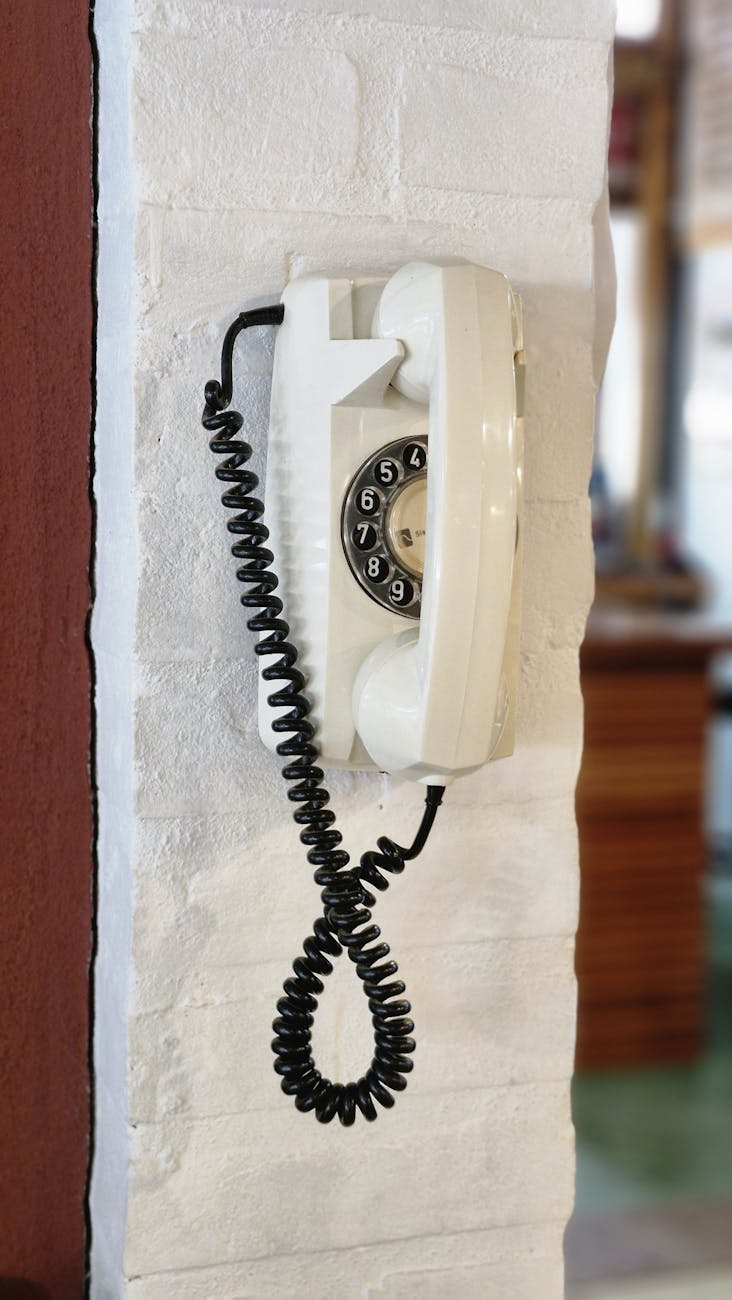
Rotary dial wall phone
Photo by Rafael Duran on Pexels.com

What is the most mundane thing we can contemplate as we begin our day?

If we can find wonder in that—and I am certain that we can—then we may find both purpose and beauty in the entirety of the day.

So, as I rise, I may peer out the bedroom window. The sun may be shining, or the rain falling softly, greying the morning light. Either is wondrous. Or perhaps I catch sight of the automobiles scurrying along the street. What a marvel—internal combustion engines and electric motors, their complexity tucked beneath the quiet hum of daily ritual. When my grandfather was born, such machines were not part of his everyday world.

I may repair to the bathroom and avail myself of indoor plumbing—another miracle. I recall that my other grandfather, raised on a farm in his teenage years, spent that portion of his youth relying on an outhouse, as well as drawing water from a pump. What comfort we possess without second thought.

In the kitchen, I open the refrigerator. Its quiet, steady hum speaks of a world preserved—meats, fruit, leftovers—all waiting in climate-controlled stillness. My grandmothers told me of the icebox, and the blocks of ice melting slowly with the day. What we now take for granted once required vigilance and care.

I may glance at the telephone—though now it is not on the wall, but in my pocket, answering to no cord. And yet I remember the telephone of my earliest childhood: one line, fixed to the wall, with a coiled cord and no screen. No call waiting. No voicemail. Only the ring, the voice, the taking turns. We managed. We even cherished it.

And when we sought knowledge, we turned to the bookshelf. A full set of encyclopedias, already well out of date, stood like solemn guardians of learning. We flipped through pages, cross-referenced entries, sometimes found what we sought. And if not—we went to the library. The card catalog was our compass, the stacks our pilgrimage. The answers came more slowly, but the seeking deepened our understanding.

I remember it all: a single television with three channels that went dark each night, a record player, a radio that belonged to my father and was not to be touched. I wore hand-me-down clothes from older cousins on the first day of school, and my mother sewed my pants with love and care. And we felt rich.

And now? A world of convenience surrounds us—lights, warmth, water, knowledge, sound, connection—available in an instant. But it is easy to forget that each of these was once impossible, then improbable, then a luxury.

Today, some cry out in anger for a past that never truly existed. They long for a myth, not a memory. But I find more strength, and far more truth, in simply being present—and being grateful.

To begin the day in wonder is to begin it rightly. For wonder is not the fruit of novelty, but of attention. It is not found in having more, but in seeing more deeply.

To begin in wonder is to begin in gratitude. And to begin in gratitude is to begin in truth.

My Friend, You Were There: A Reflection on Complicity


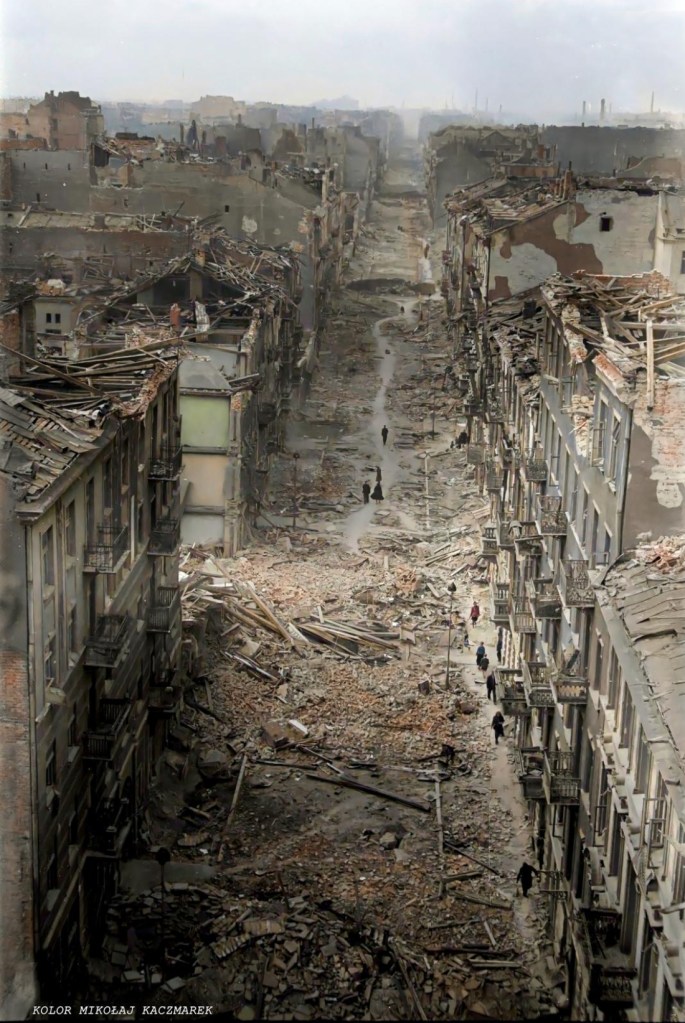
Warsaw Ruins 1944
Warsaw 1944

History shows that evil rarely marches under banners we immediately recognize. Too often, it comes draped in righteousness, purity, and fear. This piece is a lament for how easily we have been—and still can be—drawn into the machinery of cruelty.


My Friend, You Were There

My friend,
When the Holy Catholic Church, seeking to preserve the Faith in all its radiant purity,
instituted the Inquisition,
you were there—
not as a bystander,
but as a willing voice.

You denounced the old widow,
who lived alone with her cat.
You whispered against the Jewish family—
familiar, yet forever marked as other—
and gave your assent to their undoing.

You crowded into the square to watch the trials.
You sang hymns
as the flames crowned their bodies with smoke.
You wept tears of joy
that the world was made purer that day.

My friend,
When the ships came heavy with human cargo,
and the auction blocks stained the soil,
you were there.

You placed your bids.
You weighed their flesh.
You wrote the laws that chained their children.

You sang hymns on Sunday,
and broke their backs on Monday.
You called it providence.
You called it order.

My friend,
When the traders came with flags and rifles,
when the rivers flowed with rubber and blood,
you were there.

You signed the charters.
You counted the profits.
You sold the shackles and the scales.

You called it commerce.
You called it destiny.

My friend,
When the banners of the Reich unfurled,
and the drums of destiny beat their hollow call,
you were there.

You shouted with the crowds
as glass shattered from shopfronts.
You signed the letters,
you cheered the laws,
you raised your hand high in salute.

You bought the house,
the shop,
the art your neighbors were forced to leave behind.

You praised the strong hand
that swept away the weak.
You rejoiced as neighbors vanished,
grateful that your streets were made clean.

My friend,
When Stalin summoned the will of the people
to root out the enemy within,
you were there.

You reported the whispered doubts
of your cousin,
your friend,
your brother.

You paraded with red flags
while the trucks rumbled into the night.
You filled the quotas.
You seized the land.
You counted the spoils
as others disappeared.

You sang of the bright tomorrow
as you cast your eyes down
and stepped over the absent.

My friend,
When Mao lifted the Little Red Book,
and the children cried out against their fathers,
you were there.

You led the chants.
You scrawled denunciations across the walls.
You struck the old professor who dared to hesitate.
You cheered as the temples fell,
and the old poems burned,
convinced you were building a paradise
on the bones of the past.

My friend,
When Pol Pot promised that the fields
would bloom with new life,
you were there.

You marched the teachers into the paddies.
You pointed the rifle.
You praised the year zero
that would erase the memory of all that came before.

You smiled
as the world was reborn in silence.

My friend,
When the generals rose in the name of order,
when the prisons filled and the stadiums overflowed,
you were there.

You nodded at the names.
You counted the profits.
You watched the blindfolded taken at night.

You called it security.
You called it salvation.

My friend,
You have always been there.

Only too late did you realize.
Only too late did you doubt—
but not much.

You fell silent,
lest you betray your doubt.
You looked away,
lest you see.

You told yourself it would be different this time.
You told yourself you had learned.
But the signs are familiar.
The words are familiar.
The silence is familiar.

And it is happening again.