

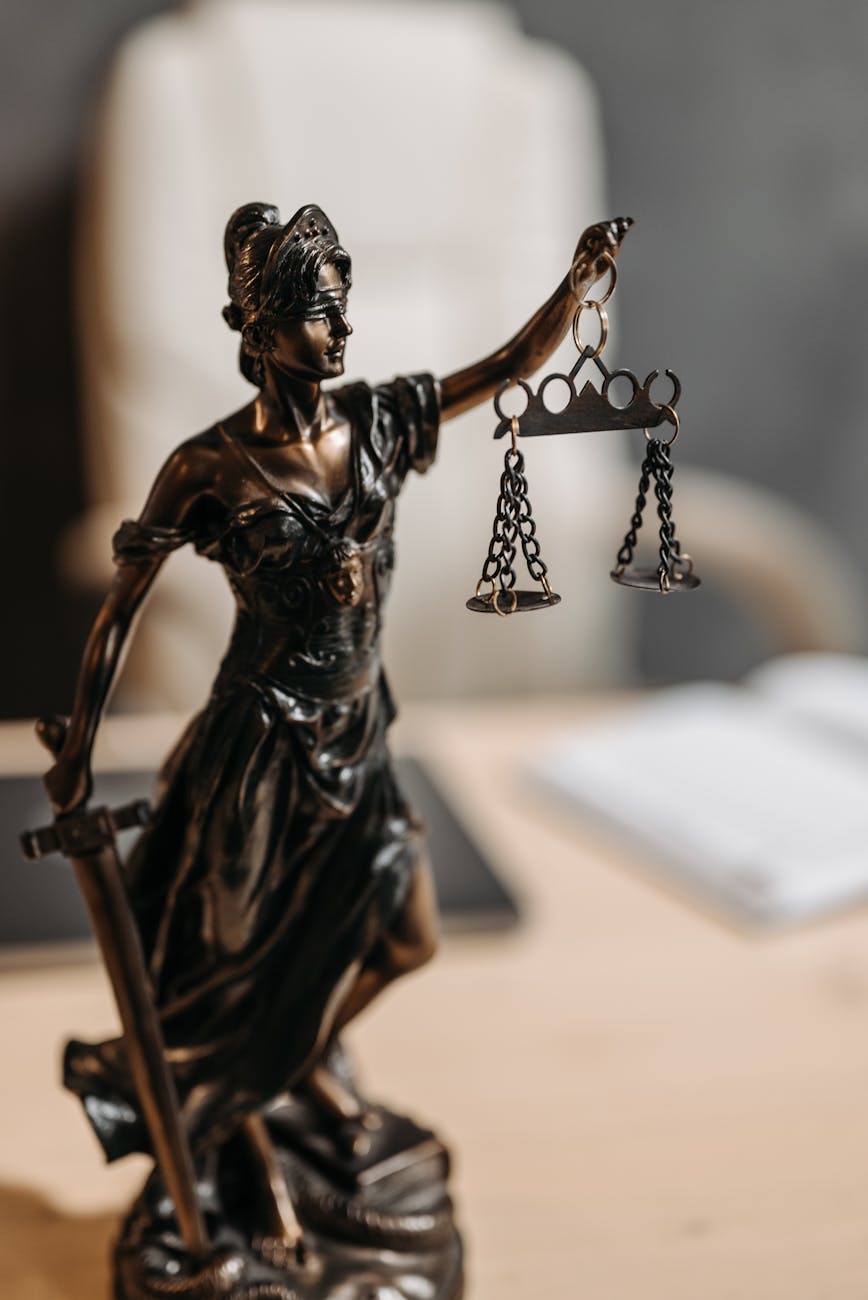
Recognizing that most Americans may have a familiarity with Judeo-Christian themes, imagery, and language—but little to no awareness of Mesopotamian themes, imagery, and language—I sought to recast my recent prophetic lamentation on the corruption of Justice, The Temples of Utu, into a biblical framework. By doing so, I aimed to ensure that my lamentation on the corruption of the American justice system, particularly the concern that judges and Justices are being purchased by oligarchs and beholden to faction, would resonate more deeply with contemporary readers.
The work found by scrolling further down, A Prophetic Lamentation: A Biblical Cry for Righteous Judgment, was created by transforming The Temples of Utu: A Contemporary Lament for Justice into a text that more explicitly resonates with the Judeo-Christian tradition. By incorporating biblical references throughout and aligning the themes with scriptural principles, this lamentation follows the prophetic tradition of calling out corruption and pleading for divine justice.
A Prophetic Lamentation: A Biblical Cry for Righteous Judgment
To aid in understanding the biblical framework underlying this transformation, the following terms and themes are central to the work:
I. Theological Names and Concepts
- El Elyon (אֵל עֶלְיוֹן) – A Hebrew name for God meaning “God Most High.” It first appears in Genesis 14:18-20 with Melchizedek, emphasizing God’s supreme authority and sovereignty over all creation.
- Adonai (אֲדֹנָי) – A Hebrew term meaning “my Lord,” traditionally used as a substitute for YHWH out of reverence. It signifies God’s absolute authority and dominion.
- El Shaddai (אֵל שַׁדַּי) – Typically translated as “God Almighty,” it first appears in Genesis 17:1 when God makes a covenant with Abraham. It highlights God’s power, might, and provision.
- Elohim (אֱלֹהִים) – A plural form used singularly for God in the Hebrew Bible, emphasizing divine power and majesty.
- Mammon (μαμμωνᾶς) – An Aramaic term used by Jesus in Matthew 6:24 and Luke 16:13, personifying wealth and material possessions as an opposing force to God. In this work, Mammon represents the corrupting influence of material gain and injustice.
II. Historical and Symbolic References
- Babylon – The empire that conquered Jerusalem in 586 BC, destroying Solomon’s Temple and exiling many Judeans. In biblical prophecy, Babylon symbolizes oppressive human power and arrogance that defies God (Isaiah 47:1-11; Jeremiah 50-51; Revelation 18).
- Egypt – The nation that enslaved Israel before the Exodus. Egypt is often used as a biblical metaphor for oppression, idolatry, and the worldly systems from which God delivers His people (Exodus 20:2; Deuteronomy 4:20; Hosea 11:1).
- Assyria – The empire that conquered the Northern Kingdom of Israel in 722 BC. Known for ruthless expansion and forced resettlement, Assyria is depicted as an instrument of God’s judgment but ultimately doomed for its arrogance (Isaiah 10:5-19; Nahum 3).
- Tyre – A Phoenician port city known for its wealth and trade dominance. Biblical prophets condemned Tyre for its pride, greed, and economic exploitation (Ezekiel 27-28; Isaiah 23). In this work, Tyre symbolizes commercial corruption and economic injustice.
- Mount Sinai – The sacred mountain where Moses received the Law from God (Exodus 19-20). Sinai represents divine revelation, covenant responsibility, and the foundation of justice.
- Sodom – The city destroyed for its wickedness and injustice (Genesis 19:24-25). In prophetic literature, Sodom serves as a symbol of moral corruption and a warning of divine judgment (Isaiah 1:9-10; Ezekiel 16:49-50).
III. Prophetic Tradition and Literary Framework
- Biblical Lamentation – This work follows the tradition of biblical lament, particularly seen in Lamentations, the Psalms, and prophetic writings. These laments express grief over national corruption and divine judgment (Lamentations 1:1-4; Psalm 137).
- Prophetic Literary Forms – The text incorporates multiple prophetic genres, including:
- Lawsuit (rîb) – Where God brings charges against His people (Isaiah 1:2-3; Hosea 4:1).
- Woe Oracle (hôy) – Pronouncing judgment upon injustice (Amos 5:18-24; Habakkuk 2:6-20).
- Lament (qînâ) – Mourning the destruction caused by sin and corruption (Jeremiah 9:17-22; Ezekiel 19).
- Restoration Promise – Common in prophetic literature, offering hope after judgment (Jeremiah 31:31-34; Isaiah 61:1-3).
- Covenantal Framework – Judges in ancient Israel were not merely legal authorities, but covenant mediators tasked with upholding divine law. Their corruption represents a betrayal of that covenant, mirroring Israel’s repeated failure to uphold God’s justice (Deuteronomy 16:18-20; Isaiah 1:21-23).
- Justice for the Oppressed – The recurring emphasis on justice for widows, orphans, and foreigners aligns with the core concerns of biblical prophets, such as:
- Amos 5:11-12 – Condemning exploitation of the poor.
- Micah 6:8 – Calling for justice, mercy, and humility.
- Isaiah 10:1-2 – Warning against unjust laws that oppress the vulnerable.
- Apocalyptic Elements – The “Day of Reckoning” section reflects apocalyptic themes, seen in:
- Joel 2:1-2 – A warning of impending divine judgment.
- Daniel 7:9-14 – God’s ultimate triumph over corrupt rulers.
- Revelation 18 – The fall of oppressive systems.
IV. Purpose of This Work
By drawing on these biblical themes, historical symbols, and prophetic traditions, A Prophetic Lamentation: A Biblical Cry for Righteous Judgment aims to offer a theologically rich meditation on the corruption of justice. It calls for repentance, righteousness, and restoration, echoing the voices of the biblical prophets who spoke against oppression and warned of impending judgment.
For readers wishing to explore the scriptural foundations of this work, a guide to the work labeled as containing in-text biblical citations is available at the button below. Finally, though many have their favorite bibles, I do not hesitate to recommend for studying the Old Testament, Robert Alter’s The Hebrew Bible: A Translation with Commentary. The scholarship, especially in the footnotes, is unmatched. Another useful online resource is biblehub.com – which allows you access to multiple bible translation traditions.
A Prophetic Lamentation: A Biblical Cry for Righteous Judgment
A Lament for the Perversion of Judgment and the Abandonment of Righteousness
Part I: The Forsaking of Righteousness
The First Turning from Truth
In the days when righteousness stood firm in the land, when the Law of The LORD was a lamp unto the feet of judges, the courts of justice were as sanctuaries where truth dwelled. The judges, servants of El Elyon—The LORD, God of Abraham, Isaac, and Jacob, the One who brought Israel out of Egypt and wrote His covenant in fire upon Sinai, sat in chambers of cedar and stone, their hands unstained, their judgment righteous. The widow, the orphan, and the foreigner approached without fear, for the Law was written by the finger of Elohim upon tablets of stone, and justice flowed like the waters of Shiloah through the gates of the city.
But in time, whispers arose from the chambers of power. First to one judge, then another. Golden whispers, honeyed promises, from the lips of those who dwelled in palaces of privilege. And some turned their ears to listen.
From the houses of the mighty came messengers bearing gifts wrapped in fine linen, bearing words that concealed their true purpose. And the first judge who accepted such offerings felt the scales within his heart shift, so slightly he did not perceive it. But The LORD perceived it, as He perceived the wickedness of the sons of Eli, whose hands were stained with bribes and whose lips defiled the altar. The LORD, before whom no falsehood can stand, whose eyes search the hearts of men.
Yet the voice of Adonai grew fainter in the halls of judgment, as the mighty pressed their thumbs upon the sacred scales of Moses.
The Widow’s Cause Rejected
When the widow came before the seat of judgment,
Her cause was just, her plea righteous.
But he who wronged her wore the seal of the rulers,
And silver had changed the words of the Law.
The judge spoke with a tongue not his own:
“The letter of the Law says thus and thus,
Yet its spirit is silenced beneath my tongue.”
And so the widow departed in sackcloth.
She lifted her voice in the gates of the city:
“Where is Thy justice, O LORD of Hosts?
Thy servants speak with deceitful lips,
Thy Law is sold for pieces of silver.”
But no thunder came from Mount Sinai,
For the judges had stopped their ears with gold.
Part II: The Spreading Abomination
The Choosing of the Corrupt
As the seasons of harvest passed, it came to be that when a judge returned to the dust, those who appointed his successor sought not for wisdom, not for righteousness, not for fear of The LORD. Instead, they sought those who had bowed before the mighty, who had pledged themselves in secret chambers to uphold not the Law as it was given through Moses, but the interests of those who elevated them.
And so the courts of judgment, one by one, were filled with those who had sold their birthright for a bowl of pottage before ever taking the seat of judgment. The words of their oaths remained the same, the ceremonies unchanged, but the fear of El Shaddai had departed from the administration of justice.
Then came the spirit of Mammon, whom Solomon warned against, moving through the corridors of power. Not with swift judgment did he strike, but with slow corruption, a leprosy of the soul that left its victims outwardly clean but inwardly defiled, wearing the robes of righteousness while serving the lords of unrighteousness. And Elohim looked down, as He did in the days of Noah, and beheld that the wickedness of man had multiplied, and that the thoughts of his heart were only evil continually.
The Judgment Purchased with Silver
Behold how they come with scrolls of precedent in hand,
Twisting the words of the prophets to serve new masters.
The Law speaks what they command it to say,
The statutes bend like bulrushes in the wind.
Mammon walks boldly among the pillars of justice,
His touch light as silver upon the outstretched palm.
Each judgment purchased furthers the transgression,
Each verdict for sale defiles the holy sanctuary.
The judges feast at the tables of the merchants of Tyre,
The masters of wealth whisper close in their ears:
“This cause favors our interests,” they murmur,
“This ruling preserves the power we hold dear.”
And the people cry out to the Holy One of Israel,
But His face is turned away from His defiled courts.
Part III: The New Order of Iniquity
The Temple Defiled
And so it came to pass that the courts of justice no longer stood as bulwarks against wickedness, but as instruments of those who ruled from behind veils. The judges spoke still of righteousness, wore still the robes of impartiality, but their eyes looked ever to their masters for instruction. Their words were shaped not by the Law of Moses, but by the whispers of corruption.
The scales that once weighed all causes righteously now tipped by design. The light that once revealed truth now cast deceptive shadows. And those who came seeking justice found instead a marketplace where judgments were bought and sold like cattle and grain in the markets of Jerusalem.
The Serpent, who from Eden has twisted the words of Elohim, wound himself around the pillars of judgment like the bronze serpent once lifted in the wilderness. His forked tongue spoke through the mouths of judges, uttering words sweet as honey yet bitter in the belly, verdicts that invoked the sacred Law while rendering it void and without effect.
The Perverted Judgment
The scales of judgment hang crooked now,
Weighted with bribes and heavy with deceit.
The mantle of justice has become a shroud,
Pulled tight by hands that serve the powerful.
The Serpent coils around the judgment seat,
His ancient form hidden beneath holy garments.
“Justice,” they proclaim, while dealing in oppression,
“The Law,” they invoke, while breaking its covenant.
The mighty approach the courts without fear,
For they have purchased favor with unrighteous mammon.
The poor approach with trembling upon their faces,
For they know the sentence before the cause is heard.
So the pillars of justice, hewn by the hands of the faithful,
Were carved anew by the chisels of corruption.
The covenant of right judgment lay broken upon the steps,
As the people watched their inheritance dissolve like morning dew.
Part IV: The Breaking of the Covenant
The Covenant Forsaken
Thus was the covenant between The LORD and His people defiled. Not by the sword of Babylon, nor by the chariots of Egypt, nor by the cunning of the Assyrians, but by the slow poisoning of the wells of justice. As the cycles of seedtime and harvest passed, the people came to know that the courts offered no refuge for the oppressed, that the words of judges held no truth, that judgment measured not righteousness but privilege.
And in this knowing, the foundations of society began to crumble. For what is Law if not covenant? What is justice if not faithfulness? What is order if not the keeping of sacred promises?
The rulers and mighty men who had captured the courts of judgment did not see the doom they had wrought. They feasted upon their victory over righteousness, their conquest of the scales. They did not hear the voice of Adonai, gathering like thunder upon the mountains, as in the days of Sinai, preparing for the day of visitation.
For when justice fails, the whirlwind awaits. When Law becomes a snare rather than a protection, the people cast aside its yoke. When righteousness is no longer honored in the courts, it cries out from the dust like the blood of Abel, calling for vengeance before the throne of El Elyon.
The Harvest of Corruption
Now Jerusalem trembles upon foundations of sand,
The courts of judgment stand as whitewashed tombs.
What was established through generations of faithfulness,
Falls to ruin through seasons of corruption.
The people no longer call upon the name of The LORD in the courts,
For His servants have made it bitter on the tongue.
They turn instead to other deliverers, darker powers,
Gods of vengeance, spirits of retribution.
The rulers sleep uneasy in their chambers,
For they have slain the guardian of their peace.
In purchasing the Law, they rendered it powerless,
In perverting justice, they broke its authority.
And The LORD cried out, as He did through Amos:
“But let justice roll down like waters,
And righteousness like an ever-flowing stream!”
But the stream had dried, the land was parched, and the people drank the wine of oppression instead.
Epilogue: The Prophetic Warning
The Voice of the Remnant
Those who remember, who still hold the Law sacred in their hearts, who recall the days when the courts of judgment shone with uncorrupted light, raise their voices in the wilderness of injustice.
They speak of what was lost, of scales that balanced, of laws that protected the least among the people. They warn of what comes when the rulers believe they have placed themselves beyond the judgment of El Shaddai.
For the LORD watches still, though His servants have forsaken Him. The Holy One of Israel sees still, though His courts have been corrupted. And the day will come when righteousness returns to the gates of the city, when justice again flows like living water.
But the price of restoration will be bitter, paid in the coin of tribulation. For what is defiled cannot be cleansed without fire, as Sodom was overturned in fire and brimstone, and the altars of Baal were cast down in the days of Elijah.
The Day of Reckoning
Remember this in days to come,
When the storms of judgment break upon the land,
When faction rises against faction in the ruined streets,
When the rulers tremble before the dispossessed:
It began with the perversion of judgment,
It began with the purchasing of truth.
It began when the courts of the LORD
Became marketplaces for injustice.
And those who turned their backs on righteousness,
Who sold the Law for temporary gain,
Who twisted the statutes of the Most High,
Will cry out: “How could we have known?”
But their hands are not clean.
For they defiled the sanctuary, stone by stone.
They corrupted the judges, word by word.
They profaned justice, verdict by verdict.
And the LORD shall arise, as He did at Sinai, in fire and storm,
As He did at Babylon, with writing upon the wall.
Neither silver nor rulers will shield them;
They and their wealth shall melt like wax before the flame.


