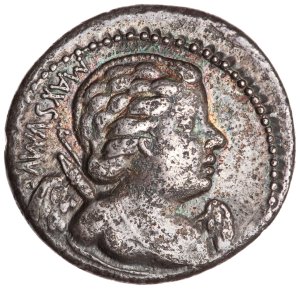


The J. Paul Getty Museum, Los Angeles, 2023.7
Livy’s History of Early Rome offers a timeless case study in the corruption of power through the story of Verginia. In Book 3, Appius Claudius – a member of the decemviri tasked with codifying Roman law – becomes consumed by lustful desire for Verginia, a young woman of plebeian birth. Unable to win her through legitimate means, he orchestrates a fraudulent court case to claim her as a slave, abusing his authority to ensure the verdict.
When her father Verginius, a soldier, arrives to defend his daughter, he finds the machinery of justice has been wholly perverted to serve Appius’s desires. Faced with no recourse against this tyranny, Verginius takes his daughter’s life in the forum rather than see her enslaved and defiled. His tragic act galvanizes both the people and army, leading to the overthrow of the decemviri and restoration of constitutional government.
The story has relevance today as we witness how unchecked power still corrupts, with modern figures who – like Appius – seduce both masses and elites with promises of reform while pursuing personal gain and dismantling democratic safeguards. The allusive poem I drafted below below explores this persistent danger, using Verginia’s sacrifice to illuminate the cost of our collective failure to recognize and resist tyranny in its early stages.
The Wages of Compromise: The Blood of Verginia
Beneath the rostra’s shadowed height, he stood,
The man whose gilded words had bought the crowd.
Their cheer, a wreath for virtue misconstrued,
Their gaze averted, though his deeds grew loud.
What harm, they thought, if petty sins abound?
A jest, a taunt, though brazen, met no plea;
The slights were not whispered, though unjust,
Personal gain o’er public trust was clear to see.
Yet they excused what honesty would shun,
For promised change, for vengeance lightly jested.
The wrongs of old made present wrongs seem none;
A brighter future claimed, though untested.
And so, unchecked, his shadow stretched and grew,
Till justice bowed before his grim designs.
A father’s hand, with love and fury true,
Struck down the bonds of tyranny’s confines.
Her blood, a warning, sanctified the square,
The people’s slumber shattered by her cry.
The forum rang with shouts that pierced the air,
The dream of freedom breathed, though she must die.
No longer could they feign or look away—
Their wish for ease had birthed a tyrant’s reign.
The jest of vengeance turned to ash that day,
And Appius fled, undone by grief and shame.
Let not the lesson fade within our time:
That deeds unchallenged fester into might.
To mock the law, to cloak a crime sublime
In promised gold, ensures the coming blight.
The people’s trust, the lords’ approving nod,
May crown a man or break his staff and rod.