

The Weight of Existence: Sisyphus’ New Dawn


Franz von Stuck, Sisyphus (1920)
Oil on canvas, 103 × 89 cm. Galerie Ritthaler, Munich.
© Collection Galerie Ritthaler.

“Il faut imaginer Sisyphe heureux.”
(“One must imagine Sisyphus happy.”)
—Albert Camus, Le Mythe de Sisyphe (1942)

But perhaps he was mistaken.
Perhaps the truth is simpler:
When the stone is gone, the man remains. 


Sisyphus Undone; or, It Was Tuesday

by Donald S. Yarab

He rose, as ever, with the morning’s breath,
the hill still steep, the silence oddly wide.
No stone to greet him with its weight or will—
no groan of earth, no task to be defied.

The gods were gone. Their laughter had grown faint,
or else the air refused to carry sound.
The path he wore through centuries lay bare,
a scar now healing into senseless ground.

He searched for signs: a crack, a trace, a mark,
but found no proof that toil had ever been.
His hands, once strong with strain, now idle hung,
still shaped by burdens long dissolved within.

He sat. The dust rose lightly at his knee.
A lark began to sing, then flew away.
The sky, untroubled, held no word for him.
The world had turned. It was another day.

What is the self when labor fades to wind?
What is the myth once struggle slips its chain?
He breathed. No answer stirred the lucid air.
The hill was whole. The man was left, and plain.

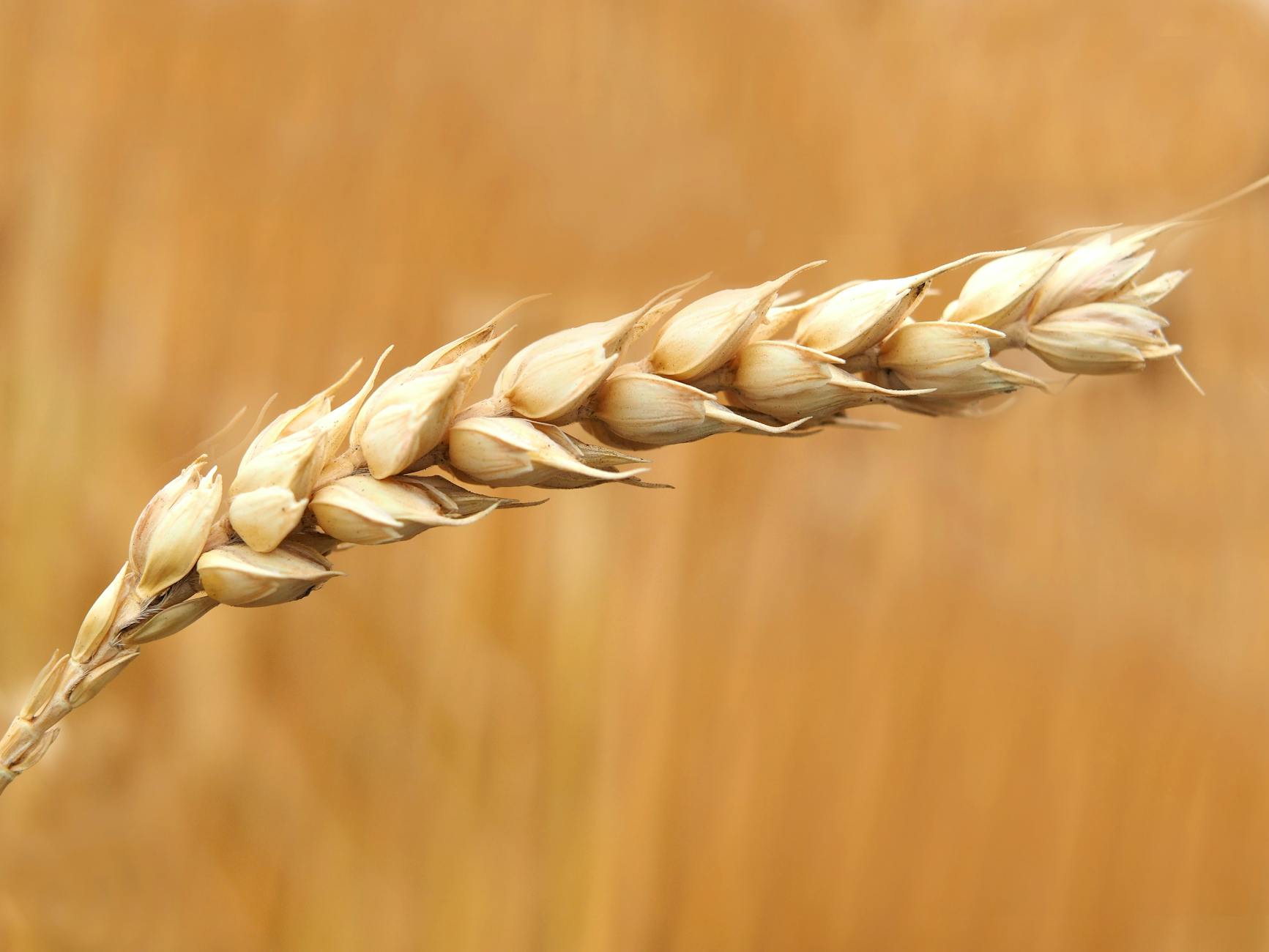
Finding Humility Through Montaigne’s Wheat Allegory

Photo by Pixabay on Pexels.com

One of the most striking images from Montaigne’s Essays, which has lodged itself firmly in my mind, comes from his Apology for Raymond Sebond. Specifically, within one paragraph, he uses wheat as an extended metaphor or an allegory wherein he suggests that the more wisdom or knowledge one acquires, the more humble one becomes. He writes:

To really learned men has happened what happens to ears of wheat: they rise high and lofty, heads erect and proud, as long as they are empty; but when they are full and swollen with grain in their ripeness, they begin to grow humble and lower their horns. (Montaigne, 1963, p. 227)

The image captures what I have found to be my experience insofar as that, with each passing year, as my hair has silvered and my eyes dimmed, I have found that wisdom requires casting the certitude, rigidity, and knowledge of youth aside for the humility of lived experience.  

Additionally, I find the lesson to be an extraordinary corollary to my personal motto, about which I have previously written, Humilitatem Initium Sapientiae (humility is the beginning of wisdom).

Thus, having reflected if not obsessed upon Montaigne’s insight for well over a fortnight, I finally shaped my thoughts about it into a poem, the results of which are below.


The Ripened Ear
(Inspired by Montaigne)

Beneath the sun’s unyielding gaze, it grows,
The tender stalk, upright and full of pride,
Its hollow strength unbent by winds that blow,
Yet void of fruit, it stands unsatisfied.

But time, the patient sower, bids it yield,
To weight of grain within its swelling breast,
It bows its head, as on the golden field,
The burdened ear finds wisdom’s humble crest.

So too the soul, in ignorance, stands tall,
Unbowed by truths it dares not yet to see,
Until the harvest’s gentle weight does call,
And bends the heart to find humility.

For wisdom ripens where humility’s sown,
And humbleness, by wisdom, is full-grown.


Montaigne, M. de. (1963). Essays and selected writings: A bilingual edition (D. M. Frame, Trans. & Ed.). St. Martin’s Press.