
These ten poetic reflections revisit the protest anthems, lullabies, and cultural hymns that shaped a generation—songs we once sang in innocence, defiance, or hope. But time has sharpened their meanings, revealed their silences, and unsettled their assurances.
Songs I Thought I Understood is not a repudiation of the music, but a reckoning with what we missed—or could not yet see—in the melodies we inherited. Each piece responds to a specific song, not by rewriting it, but by listening anew with older ears and quieter questions.
Songs I Thought I Understood
A Requiem and Reflection in Ten Refrains
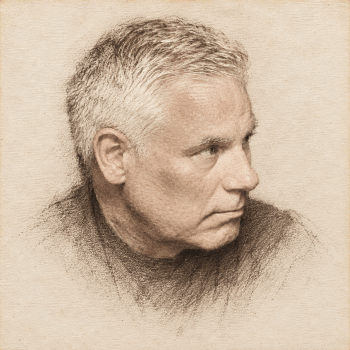
by Donald S. Yarab
“For the ones who heard the songs and still ask the questions.”
The Ten Refrains:
Puff Remembers (after “Puff the Magic Dragon”)
The Valley Below (after “One Tin Soldier”)
The Flowers Still Bloom (after “Where Have All the Flowers Gone”)
The Needle Lifts (after “This Land Is Your Land”)
The Submarine Below (after “Yellow Submarine”)
No One Was Saved (after “Eleanor Rigby”)
The Wind Still Blows (after “Blowin’ in the Wind”)
Can It Be (after “Let It Be”)
Neon Psalm (after “The Sound of Silence”)
We Have Not (after “We Shall Overcome”)
Puff Remembers
(after “Puff the Magic Dragon”)
Somewhere over the rainbow,
Once upon a time,
In a land not so far away—
Yes, with dragons.
Puff—I remember him well.
He sailed without maps,
Carried no sword,
Only stories.
But Little Jackie Paper—
No, I never knew him.
He came, they say, with sealing wax,
With strings, with child-sized laughter.
And then he left.
As children do.
As they must.
Puff stayed behind,
Watching the tide pull dreams from the sand,
Waiting longer than most would,
Believing perhaps too much.
Now I am older than Puff was then.
The toys are gone.
The books are shut.
Even memory, sometimes, forgets its lines.
Still—
Sometimes I think I hear the flap of canvas,
The creak of rope,
The rhythm of a boat
That knows its way through time.
He may be out there yet—
Not waiting, exactly,
But still sailing,
With room for one more story.
The Valley Below
(after “One Tin Soldier”)
I remember One Tin Soldier,
The mountain people, the treasure buried deep,
The message of peace—
Unspoken, unread,
Trampled by riders from the valley below.
As a child, I did not understand
Why they came with swords
To claim what was freely offered.
I did not understand
Why they could not wait,
Why they did not read.
They were simply the People in the Valley Below.
But now—I know them.
They live not far from here.
They speak in votes and verdicts,
In profits and justifications,
In silence, and in slogans
Worn smooth with use.
Some are kind, some mean well.
Most are afraid.
Many never climb.
And though the treasure still lies buried—
That old dream of peace,
The circle unbroken,
The better world whispered in songs—
I see fewer walking toward the mountain.
Fewer still willing to wait.
The child I was weeps,
Not for the dead soldier,
But for the living who will never read
The words beneath the stone.
The Flowers Still Bloom
(after “Where Have All the Flowers Gone”)
The flowers—I see them.
They bloom each spring,
In roadside ditches,
In tended gardens,
In places untouched by war
Only by accident.
But where are they,
Even now?
Where are the promises they once held—
The wreaths we laid,
The songs we sang,
The lessons we said we had learned?
Where are the girls who picked them,
And the boys they gave them to,
Before uniforms,
Before funerals,
Before forgetting?
They bloom still,
Unconcerned.
Nature does not mourn the fallen.
It only covers them.
We placed our hope in petals
And let them drift into the graves—
Answers too proud
Or too ashamed
To be spoken.
Yes, I see the flowers.
But I see them differently now.
They are not peace.
They are not memory.
They are what grows when nothing else is left.
The Needle Lifts
(after “This Land Is Your Land”)
This land is your land,
This land is mine—
That is what the song said.
And we sang it,
Hand in hand,
Before we knew
Who drew the lines.
From California to the New York island—
Yes, the rivers still run,
The redwoods still rise,
But whose boots
Are turned away
At the fence?
Whose tent
Stands just outside
The melody?
I walked that ribbon of highway once.
I saw the “No Trespassing” sign,
Half-buried in dust.
And behind it—
Nothing but wind,
And memory.
This land was made for you and me.
But the deed was never signed.
Or if it was,
It has been lost
Beneath centuries of ash and ink.
The voices fall quiet.
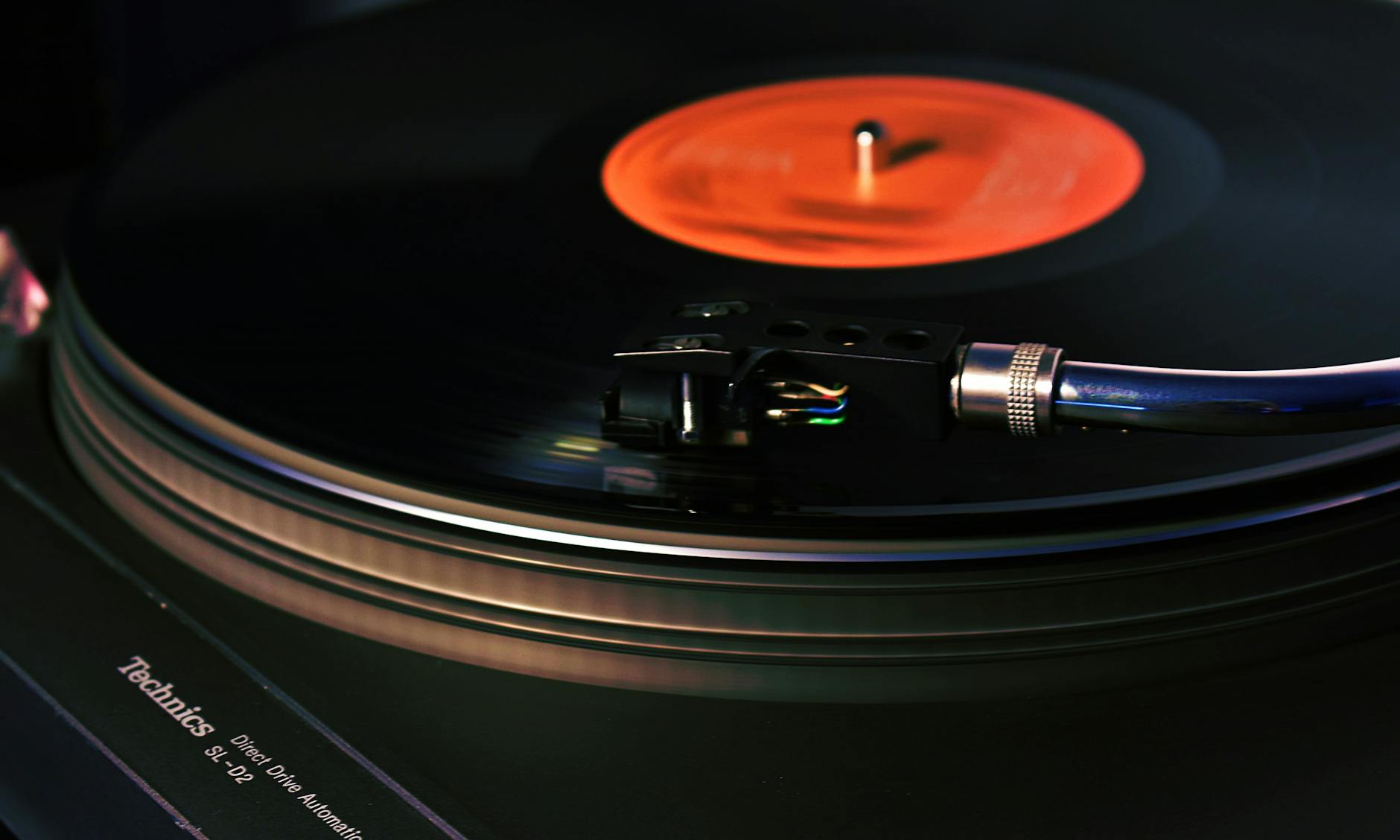
The turntable slows.
The needle lifts.
And still the land stretches,
Unresolved.
The chorus unreturned.
The question unsung.
The Submarine Below
(after “Yellow Submarine”)
We all lived there, once—
In the Yellow Submarine.
Or so we sang.
A vessel of laughter,
Of porthole dreams
And choruses in perfect time.
We believed in it,
In its bright hull,
Its cartoon courage,
Its watertight world
Where everyone belonged
And nothing intruded.
Unity,
We thought,
Could be painted in primary colors.
Could float beneath the noise,
And keep us safe.
But the world knocked.
And the hull bent.
And the sea
Was not always blue.
Some never boarded.
Some were told
There was no room.
Some were thrown overboard
Before the song began.
Now I wonder—
Was the submarine ever real?
Or just a dream we made
To keep the waters from us?
If it sails still,
It does so
With ghosts at the helm,
And a quiet
We mistook for peace.
No One Was Saved
(after “Eleanor Rigby”)
Eleanor gathered the rice like a rite—
Not a wedding,
But a funeral in disguise.
No one noticed.
No one asked
Why she did it alone.
She lived in a world of quiet corners,
Of teacups with dust,
Of pews that creaked
For no one in particular.
I did not see her then.
Not really.
She was background—
A figure in a verse
I sang without knowing.
And Father McKenzie—
He wrote his sermons by candlelight,
Even when no one came.
He believed in the act,
In the speaking itself,
As if God were listening
Even if the people were not.
I used to think
They were odd.
Sad, yes—
But distant,
Part of another time.
Now I see them in doorways,
At bus stops,
Scrolling through silence
On glowing screens.
I see them in myself,
In the way I answer fewer calls,
In the prayers I no longer finish.
All the lonely people—
They are not elsewhere.
They are not lost in some old song.
They are here.
And no one was saved.
The Wind Still Blows
(after “Blowin’ in the Wind”)
I remember when the answer
Was blowing in the wind.
We sang it as if that meant
It was near,
As if the breeze would carry it to us
If we just opened our hands
Or listened hard enough.
But I have stood in that wind now.
Not once.
Not in youthful chorus,
But in silence.
And the answers do not ride so lightly.
How many roads?
Too many to count.
Too many lined with names
Etched in metal,
Or cardboard signs that ask
Not for peace,
But for spare change.
How many ears must one man have
Before he hears the cry?
Enough to wear out the listening.
Enough to forget which voice was his.
The cannonballs still fly,
Though we call them by different names now—
Policy.
Preemption.
Profit.
“Necessary force.”
Yes, the wind still blows.
But the answers,
If they are there,
Have long since been scattered
Across deserts,
Across oceans,
Across generations too tired
To ask the questions anymore.
Can It Be
(after “Let It Be”)
When I find myself in times of silence,
I do not hear
The words of wisdom.
I hear the ache of asking
Whether silence is answer,
Or simply absence.
Let it be, they said.
And I tried.
I tried to let the world
Unfold as it would,
To trust in the slow work of time.
But still the wars came.
Still the towers fell.
Still the hands reached out
And found nothing waiting.
Mother Mary—
She comes to some.
But others
Find no visitor
In the night.
Let it be?
Can it be?
Is there something
We have not yet asked,
Some word not spoken
Because we were told
Not to speak at all?
There will be an answer—
So the song promised.
But I have learned
That sometimes
The answer is another question.
Neon Psalm
(after “The Sound of Silence”)
Hello darkness—
It does not answer.
It scrolls.
It flashes.
We used to whisper to the void
And hope it heard.
Now we shout
And hope it trends.
The prophets write in hashtags,
Their sermons flickering
Across shattered glass,
Their congregations swiping
And moving on.
No one walks the quiet streets,
No one weeps in the back pew.
The cathedral is a comment thread
Lit by the glow
Of the god we built
To hear ourselves.
No one dared disturb
The sound of silence—
That was the line.
But now it is all disturbance.
The silence
Is what we fear.
I remember when words
Had gravity,
When they settled in the chest
And waited
To be spoken with care.
Now even grief
Is curated.
Still—
Somewhere beneath the algorithms,
Beneath the noise mistaken for voice,
Beneath the sponsored silence,
I believe the old language
Waits.
Not to go viral.
But to be heard.
We Have Not
(after “We Shall Overcome”)
We shall overcome—
That is what we sang.
We locked arms,
Lit candles,
Marched softly into nights
Thick with dogs and doubt.
And some did overcome.
Some bridges held.
Some laws changed.
Some doors opened.
But not all.
Not for everyone.
Not everywhere.
And not for long.
Some came after
And tore down the signs,
Or rewrote them in finer script.
Some left the door ajar
Just wide enough
To say it had been opened.
I do not mock the song.
I remember it.
In the bones.
In the breath held
Before a verdict.
In the quiet
After a child is buried.
We shall overcome—
We whispered it
When shouting would not do.
But the road is longer
Than the hymnbook said.
And the hill steeper
Than memory allows.
We have not.
Not yet.
Still—
There is something in the singing,
Even now.
Even if the words tremble.
Even if the chorus
Grows thin.